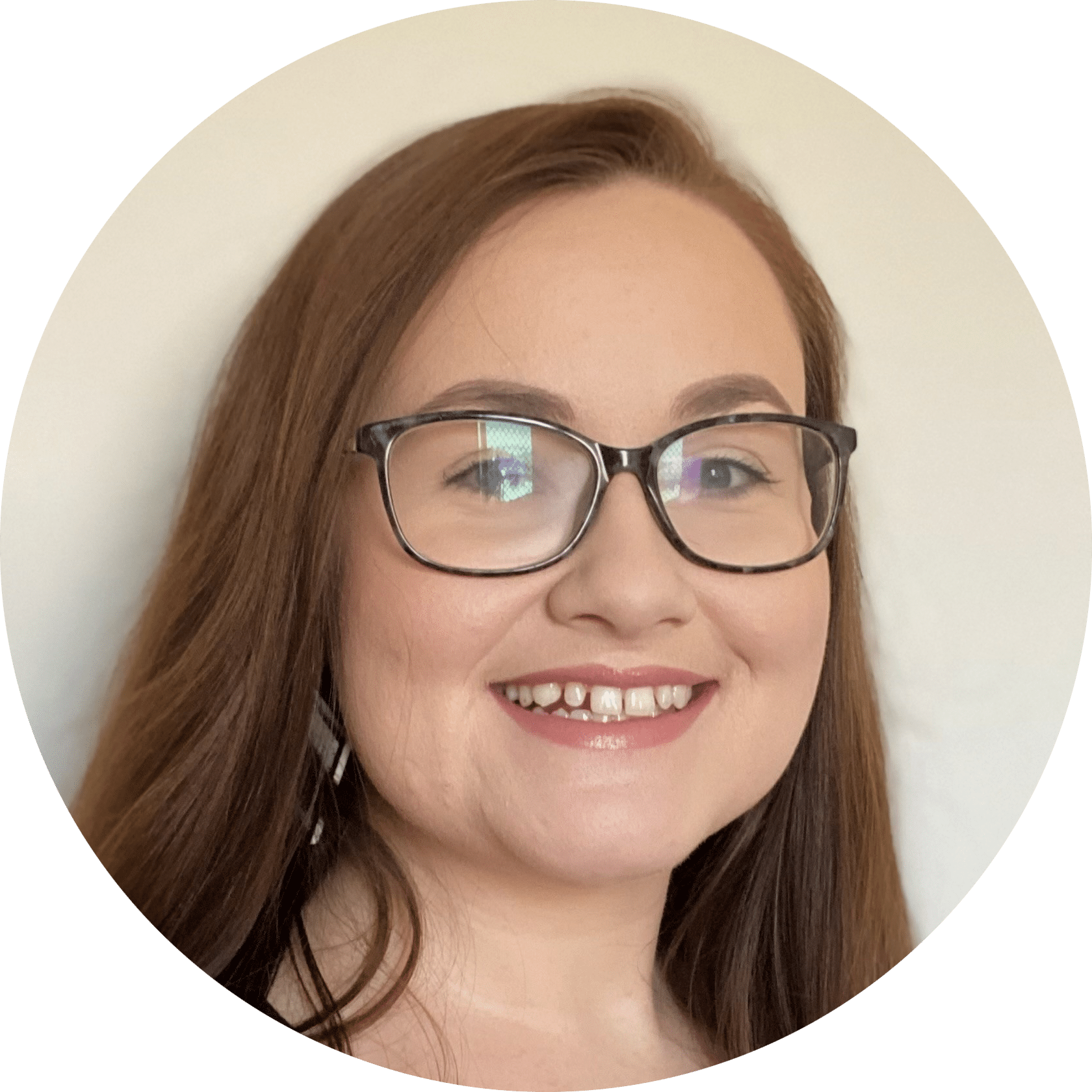
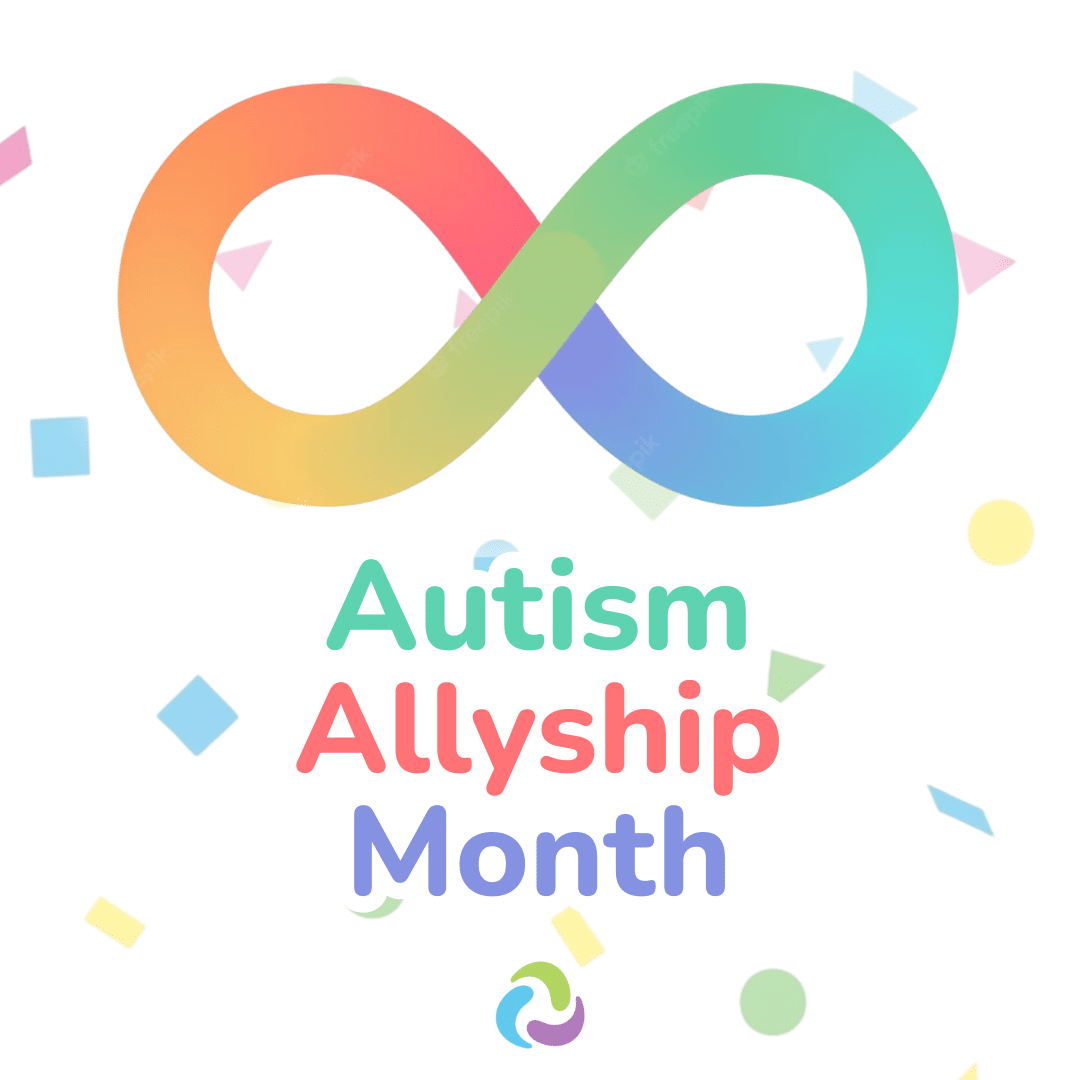

To mark Autism Acceptance Month, AAC Experience Adviser Kristianne Marshall shares what this month means to her and offers four practical ways we can move beyond awareness towards genuine autistic allyship — not just in April, but all year round.
Read her blog below, encouraging us to help create a world where autistic people, including those who communicate using AAC, are heard, respected and included.
by Kristianne Marshall
To me, as a person with lived experience of Autism Spectrum Disorder Level 3 alongside genetic, neurological, developmental, intellectual, psychological and medical conditions, and as someone who is minimally verbal, Autism Acceptance Month means being acknowledged, respected, understood and valued as a person with an equal right to participation, dignity and the opportunity to live life fully.
It means having my limitations understood and supported with the right accommodations while also having my strengths valued and encouraged.
It also means recognising that I primarily communicate using my NovaChat AAC device. Using AAC does not mean I have nothing to say or that I am incapable of socialising, it simply means I communicate differently, just as I mobilise differently using my walker or wheelchair.
Although I require support worker assistance and assistive technology in many parts of my daily life in order to participate, I still want, and deserve, to participate in everyday life just like anyone else. It may look a little different, just like every person in the world is different.
As an AAC Experience Adviser with Liberator, Autism Acceptance Month also means demonstrating that regardless of disability or ability, everyone has something valuable to contribute.
There has also been a lot of discussion around Autism Awareness Month versus Autism Acceptance Month. At times, instead of bringing awareness or acceptance, these conversations have unintentionally created division within our communities. Both perspectives have strengths and limitations.
However, where they align is this: without awareness there can be no acceptance, and without acceptance awareness has little meaning.
Ultimately, it is about finding common ground and supporting individuals in the most respectful and humane way so they can be their authentic selves with dignity and opportunity.
So this Autism Awareness and Acceptance Month, I invite you to consider another “A”: Autism Allyship Month.
Once you begin to understand the autistic person, awareness naturally grows, not only of the individual but also of the environments around them.
Their environments may include:
By understanding their strengths, needs, interests, sensory preferences and communication methods, you may begin to recognise where certain environments or situations create barriers—or opportunities, for participation.
With greater awareness, it becomes easier to identify where adjustments, accommodations or communication supports may help someone participate more fully.
This awareness often leads to advocacy.
Advocating for the needs and strengths of autistic people, whether through supporting communication access, encouraging inclusive environments or recognising their abilities, is an important part of being a supportive autistic ally.
Understanding, awareness and advocacy naturally lead to greater autism acceptance.
Acceptance means recognising and valuing the autistic person as a whole, their communication style, preferences, strengths, support needs and the adjustments that help them participate.
When autistic people feel accepted as they are, trust begins to grow.
Trust forms with the people who take the time to understand, listen, support communication access and advocate for environments where autistic individuals can participate meaningfully.
When autistic people cannot be their authentic selves due to communication, environmental or social barriers, building trust becomes much harder.
But when acceptance is present, it creates the foundation for genuine allyship.
Four Ways to Show Autism Allyship:
To be an autistic ally, the first step is understanding the autistic person.
Taking the time to understand the individual is the most important step in being a supportive ally. Even people with the best intentions can sometimes unintentionally cause harm instead of help, which is why understanding the person always comes first.
What should I think about when getting to know an autistic person?
As the saying goes, when you know one person with autism, you know one person with autism!
Communication does not always look the same. Some autistic people communicate using speech, while others use AAC, writing or gestures. Respecting and supporting these communication methods is an important part of allyship.
How Can I Show Respect and Understanding to an Autistic Person?
You can show better understanding to an autistic person by:
When we respect communication differences and take the time to understand the person, even small efforts can make a big difference.
Awareness often leads to advocacy. Supporting sensory-considerate environments, communication access and practical accommodations helps autistic people participate more fully in everyday life.
How to Advocate for an Autistic Person’s Needs and Strengths
You can advocate for autistic people by:
Advocacy helps create environments where autistic people can communicate, participate and be recognised for who they are.
True allyship means including autistic people in conversations, activities and community life with kindness, encouragement and respect. Small actions, like giving time for communication, being mindful of sensory needs and celebrating strengths, can make a meaningful difference.
Ways to Be Inclusive with Kindness
You can be inclusive with kindness by:
Small actions like these help create inclusive spaces where autistic people feel respected, supported and able to participate fully.
Autism allyship begins with understanding the person, respecting different ways of communicating, including AAC, and creating environments where autistic people can participate, belong and contribute.
When we move from awareness to allyship through understanding, advocacy and kindness, we create a world where autistic people, including those who communicate using AAC, are truly heard, respected and valued.
– Kristianne
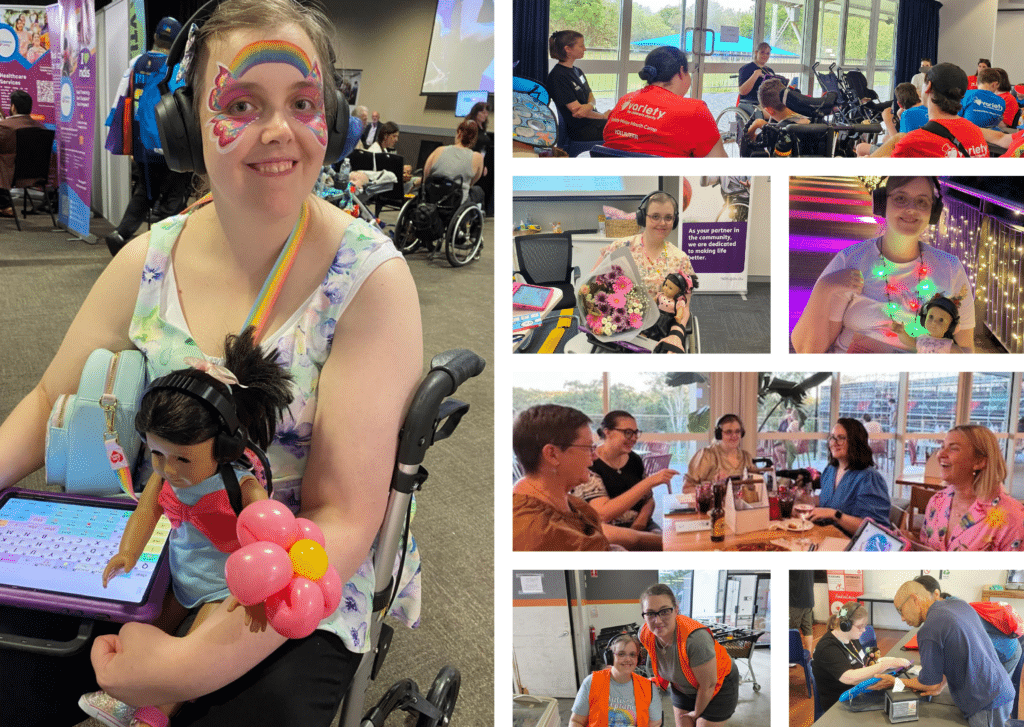
This Autism Acceptance Month – and beyond – consider how small, thoughtful actions can make a meaningful difference. Whether it’s allowing extra time for communication, supporting communication access, or advocating for inclusive environments, allyship is built through everyday choices.
If you’d like to learn more about supporting autistic people, including AAC communicators, explore our resources or get in touch with the Liberator team. We’re here to support communication, participation and inclusion — every day of the year!