
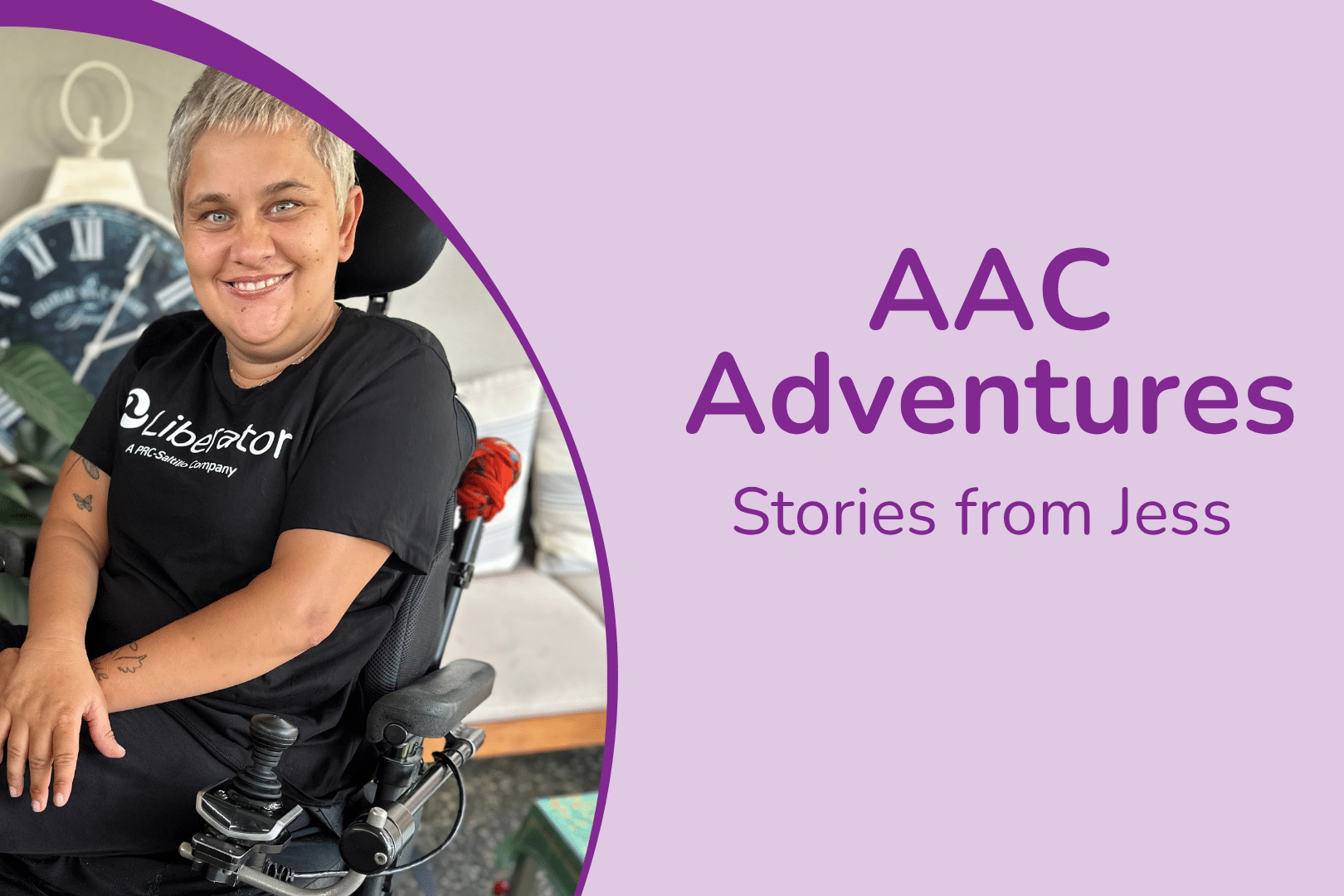
AAC Experience Adviser Jess A woman with short fair chair and a warm smile

AAC Adventures: Stories from Jess in Autumn

Reading Time: 2 minutes

Welcome to AAC Adventures, where our AAC Experience Advisers share authentic stories of life with communication devices. These aren’t case studies or theory – they’re real experiences from people who live with AAC every day, sharing the breakthrough moments, creative solutions, everyday wins, and honest challenges too.

Today’s story comes from Jess:
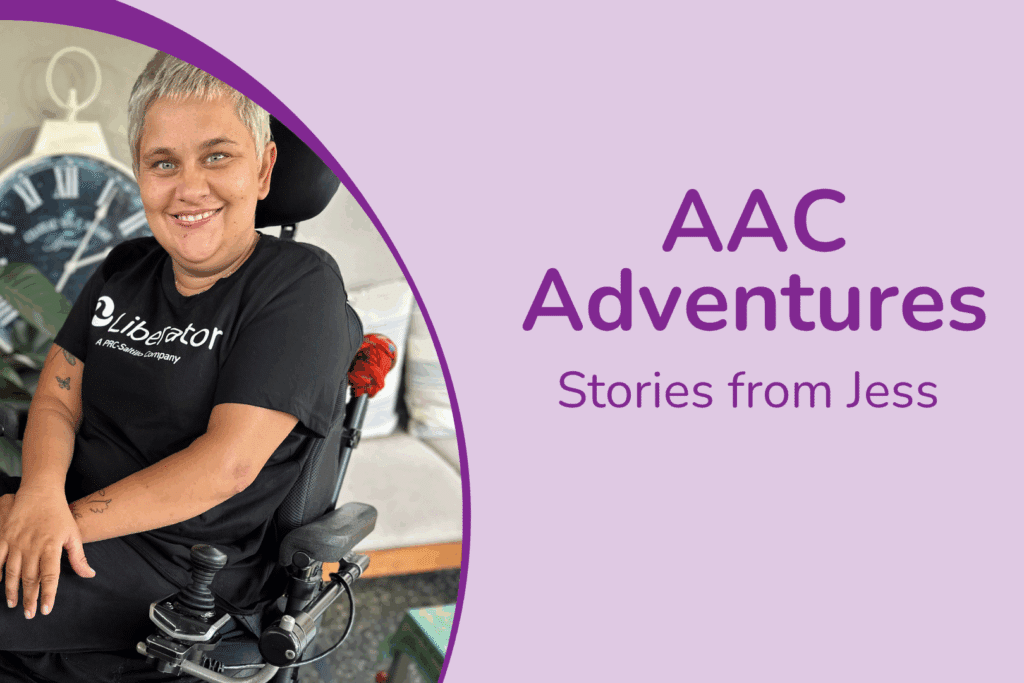
AAC Experience Adviser Jess A woman with short fair chair and a warm smile

Hi, my name is Jess, I am 30 years old and I live on the Gold coast.

Living with Cerebral Palsy has its challenges, but it has also taught me how important it is to advocate for myself.

I use an AAC device to speak, which has become an extension of my voice, allowing me to communicate effectively with others.

Recently I faced a situation that left me both frustrated and determined to speak up.

I applied for a housing loan with  a bank that specialises in disability borrowers who work with the NDIS and SDA.

I had all my finances in order, a solid plan, builders organised and even put deposit on land, however, my application was denied, in fact I wasn’t even able to apply for the loan. They denied me not because of my financial situation or credit, but because of my disability.

The banks reasoning was “Because I can’t physically sign documents, they were unable to proceed any further”. They don’t understand that my AAC device is my voice.

Because I can’t physically sign the papers for the loan, I would need my power of attorney to physically sign for me. I am physically disabled, not mentally, I am able to make my own decisions, sign electronically and communicate effectively using my communication device.

You would think a bank that works with disability clients would have a better understanding, more compassion and empathy as this has been very frustrating for me.

I have dealt with other banks in the past and had a home loan before and have never had any issues previously.

This whole experience has been a reminder of some barriers that people with disabilities face on a day-to-day basis.

My disability doesn’t define me- it is just one part of who I am. I am determined to work through this as I don’t believe that my physical disability should impact my life and the decisions I make.

I am still trying to get this loan for my new home and will have to keep you updated on the progress.

This is just one chapter of my story, and I am excited to keep writing the rest.

Ask an AAC Experience Adviser (AEA)

Got a question about AAC or communication – or about our AEAs? Ask away!

Complete this form to Ask an AEA, and we’ll do our best to share an answer with the community.

Have a question about our devices, training or support options? Contact our team.

Your AAC device is an important part of everyday life, supporting conversations, learning, and connection with others. And, just like any piece of technology you rely on, it performs best when it’s well looked after! In this blog, we’ll share our top AAC device maintenance tips – including practical care, maintenance, and tech advice to help ensure your device stays reliable, responsive, and ready when you need it!

Here are our top tips for your AAC device maintenance.

#1: Clean Your Device Regularly

Let’s face it – devices get dirty. Whether you’re at school, work, or just having dinner, your device comes along for the ride. Give it some cleaning attention regularly to keep it working well.

For light cleaning, use a soft, lint-free cloth on the touchscreen. For deeper cleaning, use a slightly damp, lint-free cloth, then dry the screen with another soft cloth. You can find more detailed cleaning tips in your device manual.

Good to know: Keyguards can go in the dishwasher!

#2: Look After Your Battery

Your device comes with a specific charger – always use that one. Try to charge your battery before it drops to 0%. Charging when your battery is above 10% can extend its life significantly. For best results, charge your device upright at room temperature on a hard surface.

Tip: Turn off your device for faster charging.

#3: Use Sleep Mode and Shut Down Wisely

We encourage keeping your device with you and ready to use for conversations throughout the day. However, there are smart times to use sleep mode or shut down completely.

Set your auto-sleep to five minutes or less. Use sleep mode when you won’t be using your device for short periods, like during swimming.

Remember that sleep mode uses about 2% of battery per hour. Consider turning off your device completely during longer breaks, like overnight.

#4: Avoid Overheating

Like most technology, your device works best when it’s not too hot. Take breaks from heat and avoid charging if your device feels warm. Move to shade or air conditioning rather than trying to cool it with water.

Tip: Keep a low-tech communication board handy for water activities.

#5: Keep Your Software Updated

Software updates bring new features and vocabulary to improve your communication experience. Connect to WiFi and follow the prompts in your settings menu to get these improvements. Updates also help your device run more smoothly overall.

Tip: Plug in your device during updates to protect your battery.

#6: Protect Your Screen

Your screen is essential for accessing all your communication options. Protect it from scratches, moisture, and spills with a screen protector. This also reduces glare and reflections, making it easier to see your buttons.

Visit our online store to see screen protector options for your device.

#7: Consider a Protective Case

Your device is built to be durable and handle daily life. (If you haven’t already), you might try an extra protective case designed specifically for your device model. These cases provide additional security for active use at home and out in the community.

#8: Review Your Access Needs

People change, and your needs change too. It might be time to check that you’re still accessing your device in the most comfortable and efficient way possible.

Connect with your support team (or ours!) to consider adjustments like:

  • Repositioning your device
  • Adjusting your wheelchair setup
  • Trying new vocabulary settings
  • Recalibrating eye gaze (if applicable)
  • Using a keyguard for more accurate selection

Our local consultants are happy to discuss access questions to help you communicate at your best.

#9: When Technical Issues Arise

If you’re experiencing glitches, try restarting your device first – this solves most technical problems.

If you’re still having trouble after a restart, our support team is here to help. Contact us by phone, email, or through our website, and we’ll work together to get your AAC device maintenance issue resolved – and your device running smoothly again.


Need a little support with your AAC device maintenance?

Our team is here to help you make the most of your communication device. Whether you need help with AAC device maintenance or want to explore new ways to optimise your AAC setup, we’re just a call or click away.

Contact us:


What's Next?

Connect with your local consultant to discover your AAC options!

AAC Consultant Lilla
AAC Consultant Delara
AAC Consultant Morgan